About Antoriel
Antoriel Academy is a virtual learning platform dedicated to providing high-quality online tutorials, academic support, and examination preparation for learners across Nigeria and beyond. Through live interactive classes, recorded lessons, assessments, and personalized learning support, we help students strengthen their understanding, improve academic performance, and achieve their educational goals.
Whether you are preparing for WAEC, NECO, JAMB, Cambridge IGCSE, AS & A Level examinations, or seeking additional academic support in core subjects, Antoriel Academy offers experienced instructors, flexible learning schedules, and engaging digital resources designed to help every learner succeed.
We strive to make quality education accessible to everyone by delivering effective, affordable, and convenient online learning experiences from anywhere in the world.
We offer Live online tutorial classes, Recorded video lessons, Examination preparation (WAEC, NECO, JAMB, IGCSE, AS & A Level), Revision classes, Holiday and intensive coaching programmes, Digital learning resources, Personalized academic mentoring, etc.
Our Vision
To democratize access to quality education, empowering every Nigerian child to thrive in the digital age.
Our Mission
To nurture confident, competent, and culturally grounded students by delivering world-class education through an accessible, technology-driven platform



Who We Serve?
We’re here for the ambitious. Whether you’re a secondary school student targeting WAEC, NECO,SAT or Cambridge exams, a homeschooling family seeking world-class structure, or a parent who refuses to compromise on quality education — Antoriel Academy delivers. Our platform adapts to your schedule, your learning style, and your dreams, without sacrificing academic rigor or cultural connection.
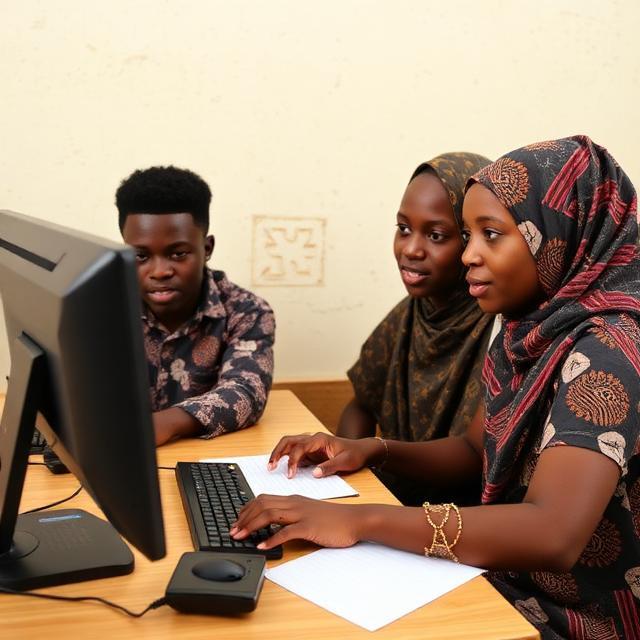





In Nigerian secondary schools, students progress from JS1 (Junior Secondary 1) to SS3 (Senior Secondary 3) over six academic years. JS1 to JS3 forms the junior secondary stage, where students build a strong foundation in core subjects like Mathematics, English, Basic Science, Social Studies, and introductory vocational skills. SS1 to SS3 marks the senior secondary stage, where students specialize in Science, Arts, or Commercial tracks based on their strengths and career interests. This journey prepares them for national and international examinations such as WAEC, NECO, and JAMB, equipping them with academic knowledge, moral values, and life skills.
These examinations are crucial milestones for secondary school students in Nigeria. WAEC (West African Examinations Council) and NECO (National Examinations Council) assess students’ mastery of subjects at the end of secondary school, while JAMB (Joint Admissions and Matriculation Board) determines eligibility for admission into higher institutions. Success in these exams requires consistent study, understanding of the syllabus, practicing past questions, and developing effective time management skills.
Students who receive their education primarily at home rather than in a traditional school setting. This approach allows parents or guardians to take direct responsibility for teaching, often tailoring lessons to the child’s learning pace, interests, and needs. Homeschooling offers flexibility in scheduling, personalized learning methods, and the opportunity to integrate moral, cultural, or religious values into education. Many homeschoolers prepare for standardized exams like WAEC, NECO, and JAMB through structured study plans, online resources, and tutoring, ensuring they meet the same academic standards as their peers in conventional schools.
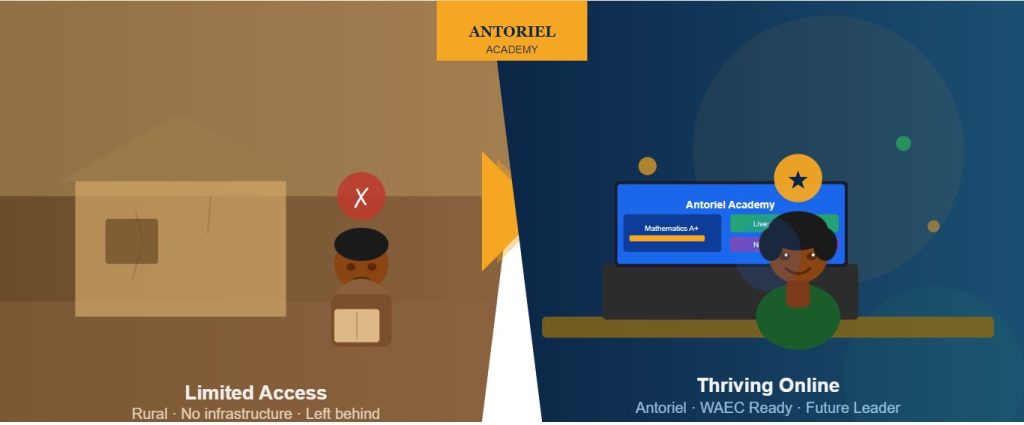
Learners in remote or rural areas often face unique challenges in accessing quality education due to limited infrastructure, scarce teaching resources, and long travel distances to schools. Despite these hurdles, many demonstrate resilience and determination to learn. Education in these areas may be delivered through community schools, mobile teachers, radio and television lessons, or digital platforms where internet access is available. Support from government programs, NGOs, and private initiatives is vital in providing learning materials, teacher training, and technology, helping bridge the gap between rural and urban education opportunities.
These learners prioritize education that fits around their schedules, locations, and device access—often due to work, travel, family responsibilities, or lack of traditional school availability. Mobile-friendly learning allows them to study anytime, anywhere using smartphones or tablets, leveraging micro-lessons, video modules, interactive quizzes, and offline-capable content. Key features that serve them well include bite-sized curriculum, adaptive pacing, low-bandwidth design, and apps or platforms with push reminders and progress tracking. To maximize success, they should choose resources with offline download options, use spaced repetition for retention, and pair self-paced study with periodic live check-ins or community support to maintain accountability.
In the UK, key exams include GCSE at age 16 and A-Levels or equivalents at 17–18, often followed by specialist tests like BMAT or LNAT. They focus on depth in a few subjects, with final high-stakes exams after two years of study. Success depends on mastering the syllabus, practicing past papers, and aligning answers with mark schemes.
In the USA, major exams include the SAT or ACT, AP subject tests, and maintaining a strong GPA. Admissions are holistic, combining test scores with coursework, essays, and extracurriculars. Preparation involves broad subject knowledge, targeted practice, and strong reading, writing, and math skills.
Though different in structure, both systems require early preparation, regular practice, and strong exam strategies, supported by good time management and overall wellbeing.